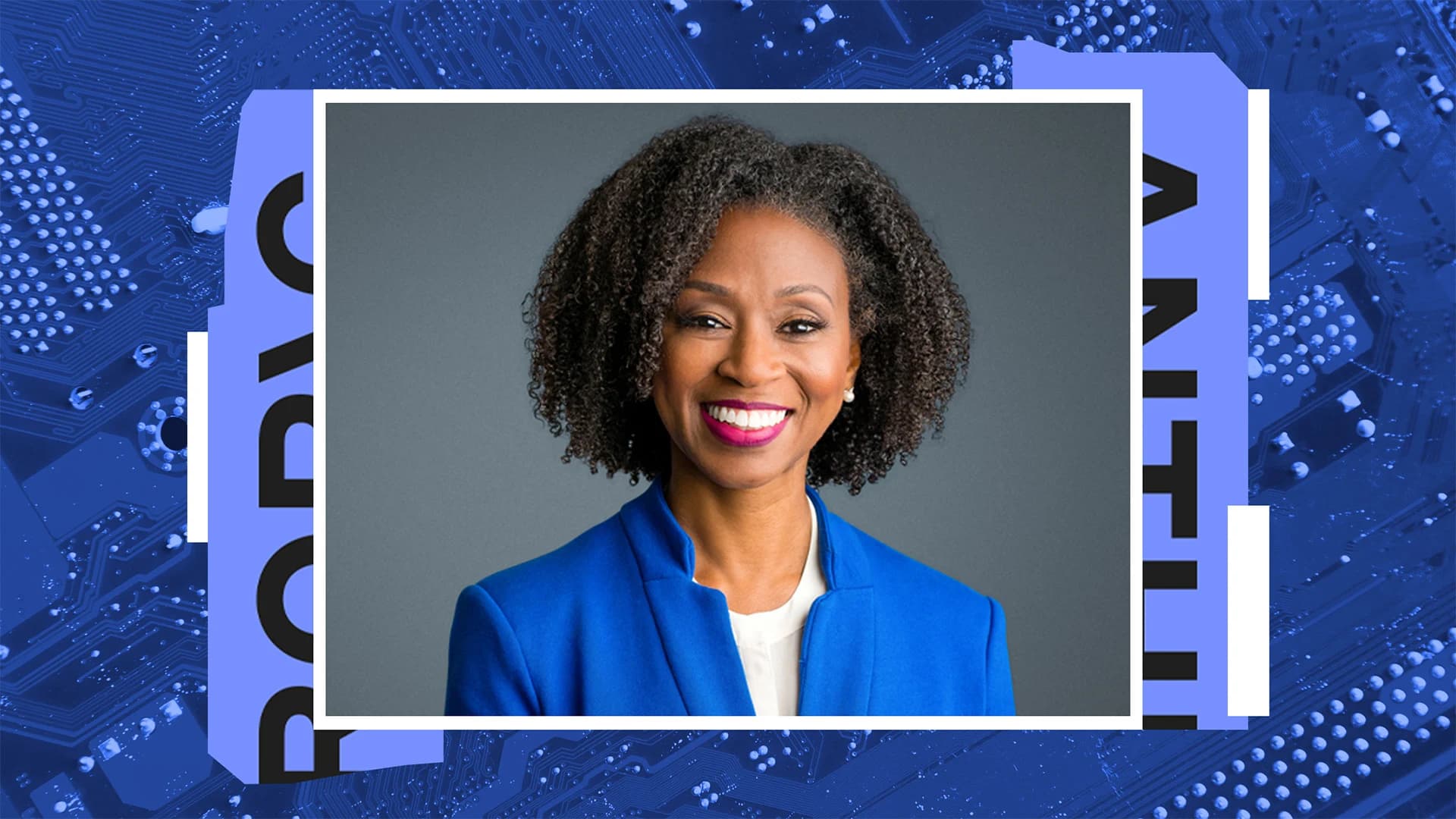
Photo via Inc.
Cybersecurity experts are raising fresh concerns about the capabilities of advanced artificial intelligence systems designed to identify and exploit software weaknesses. According to reporting from Inc., a former U.S. Cyber Director has publicly cautioned that some of these AI tools may be advancing too quickly without adequate safeguards in place. The warning underscores growing tension between innovation and security in the tech industry.
Anthropic's latest system, called Mythos, represents a significant leap in autonomous vulnerability detection—the ability to scan software code and identify exploitable flaws without human intervention. While such capabilities could theoretically help companies strengthen their own defenses, security leaders worry about the dual-use implications if similar technology falls into the wrong hands. For Nashville-area businesses increasingly reliant on cloud services and digital infrastructure, understanding these risks has become critical.
The debate reflects a broader challenge facing the technology sector: how to balance the potential benefits of cutting-edge AI tools against their misuse potential. Companies ranging from Fortune 500 firms to smaller regional operations now face pressure to assess their vulnerability management strategies and ensure their security posture keeps pace with evolving threats. The concern extends beyond Silicon Valley, affecting organizations across industries and geographies.
As regulatory frameworks continue to develop, businesses should monitor guidance from federal cybersecurity agencies and consider the implications of AI-driven security tools in their own risk assessments. Industry experts recommend that organizations stay informed about emerging AI capabilities and work with security partners to develop comprehensive defense strategies that account for both current and anticipated threats.