Photo via Fast Company
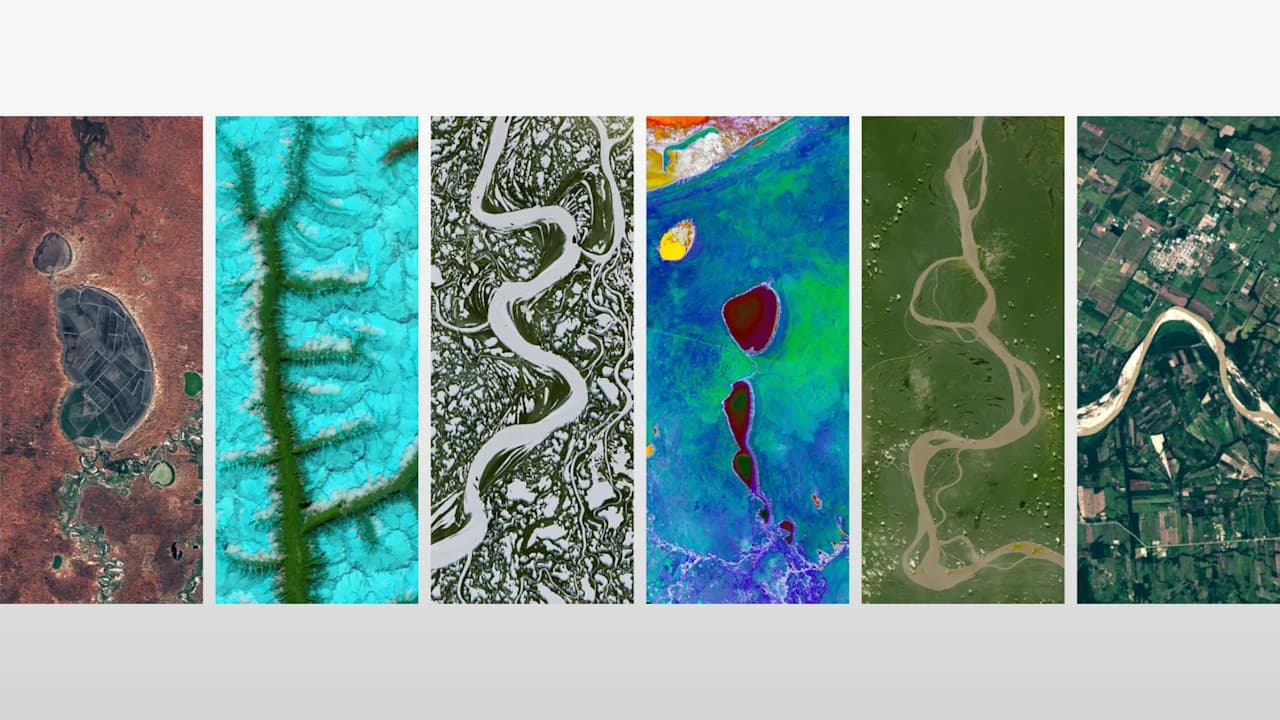
NASA's Kennedy Space Center has unveiled an innovative digital tool that transforms decades of Earth observation satellite data into a creative visualization experience. The interactive feature, called 'Your Name in Landsat,' allows users to generate personalized text using actual landscape imagery captured from orbit—including rivers, lakes, farmland, and geographical formations from around the globe. According to Fast Company, the tool launched officially in August 2024 and quickly garnered millions of social media interactions, demonstrating significant public interest in space-derived technology applications.
The underlying dataset draws from the Landsat mission, which represents the longest continuous Earth observation program in history, spanning over 50 years since its 1972 inception. Eight successive satellites have collectively captured an extensive photographic record of planetary landscapes, providing researchers and policymakers with critical environmental and natural resource data. This dual-purpose approach—combining scientific utility with public engagement—illustrates how government space agencies can leverage expensive infrastructure for multiple stakeholder benefits, from environmental monitoring to consumer-facing applications.
The tool's functionality extends beyond novelty appeal. When users hover over individual letters in their generated text, they can access geographic coordinates and location information, creating an educational component that heightens awareness of Earth's diverse ecosystems. The project includes an Alphabet Image Gallery sourced from multiple databases including NASA Earth Observatory and USGS EarthExplorer, with certain letters requiring multiple iterations to capture naturally occurring landscape formations.
For Nashville-area technology and education sectors, this initiative demonstrates how partnerships between government agencies and creative technologists can produce engaging digital experiences. The project's viral success—generating over 22 million social media views—suggests strong market demand for interactive tools that blend scientific data with entertainment value, potentially inspiring local companies to explore similar data-visualization applications in environmental science, geography education, and geospatial technology sectors.