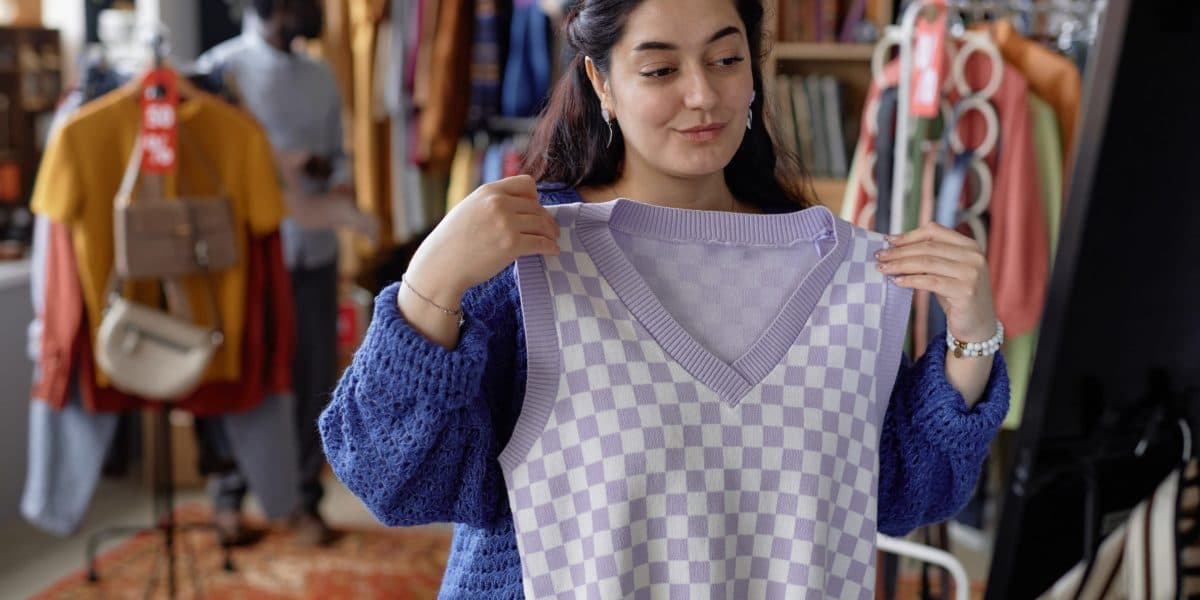
Photo via Fortune
The American secondhand clothing market is telling a tale of two economies. According to Fortune, overall used apparel purchases are climbing, but the growth pattern reveals a stark divide: luxury resale platforms and deep-discount options are flourishing, while the middle market remains stagnant. This bifurcation has significant implications for Nashville-area retailers navigating an increasingly fragmented consumer landscape.
For high-end fashion retailers in the Nashville region, the luxury resale boom presents both opportunity and challenge. Platforms specializing in authenticated designer goods and luxury consignment are capturing affluent consumers seeking value without sacrificing brand prestige. Local boutiques and upscale retailers must consider how this trend affects their traditional customer base and whether resale partnerships could complement their business models.
Simultaneously, the surge in discount secondhand shopping reflects economic pressures on budget-conscious consumers. Nashville's growing retail sector, which includes both national chains and independent shops, must understand that bargain-hunting has become more sophisticated and digitally enabled. Retailers targeting value-conscious customers should evaluate their competitive positioning against both online resale marketplaces and traditional discount stores.
The absence of meaningful growth in the middle market signals a squeeze on conventional retail. For Nashville business owners operating in this segment, the data suggests necessity to either differentiate upward toward the quality-focused consumer or downward toward the value segment. Ignoring these market dynamics could leave mid-market retailers vulnerable as consumer spending patterns continue to polarize.