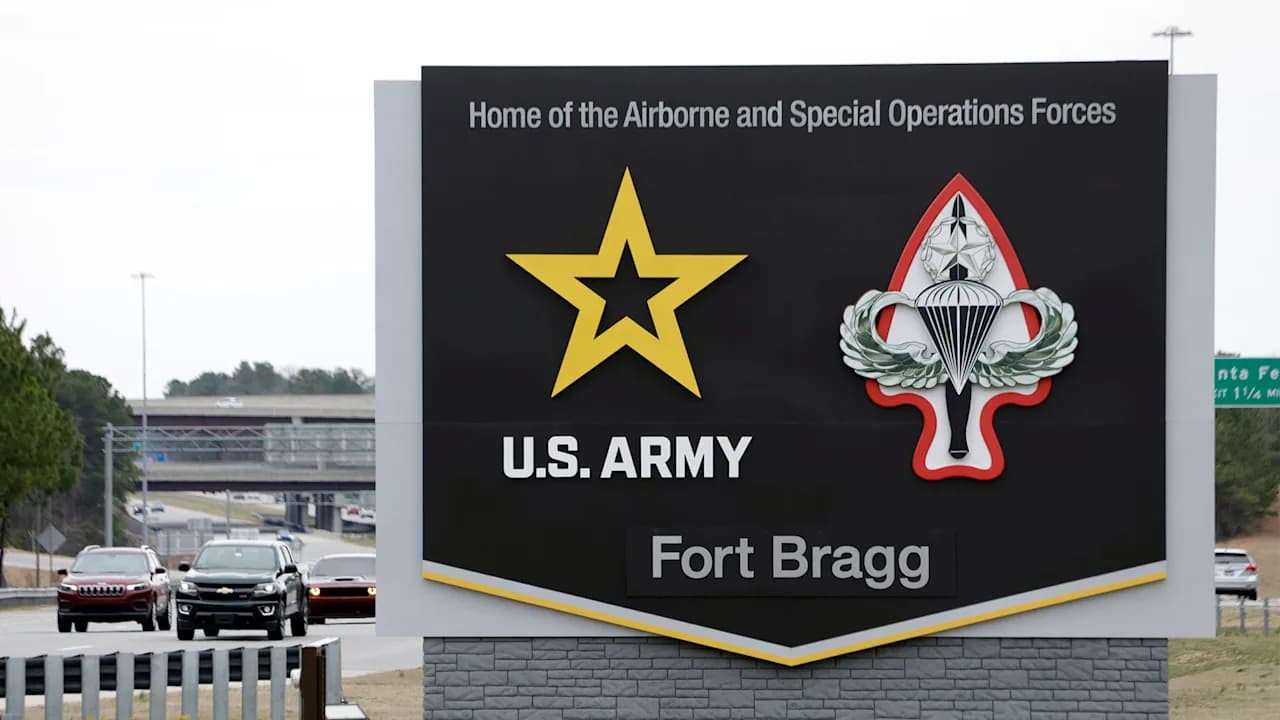
Photo via Fast Company
A master sergeant stationed at Fort Bragg has been charged by federal prosecutors with using classified information from a military operation to win more than $400,000 on Polymarket, an online prediction market platform. According to the U.S. Department of Justice, Gannon Ken Van Dyke had access to sensitive details about a January operation and used that knowledge to place strategically timed bets on Venezuelan political outcomes. Van Dyke faces multiple federal charges including unlawful use of confidential government information, theft of nonpublic information, commodities fraud, and wire fraud—offenses that could result in years of imprisonment.
The timing of Van Dyke's trading activity suggests a calculated attempt to profit from inside knowledge. According to the Commodity Futures Trading Commission, the soldier moved $35,000 into a cryptocurrency exchange account on December 26, then placed the bulk of his bets on January 2—just hours before the military operation commenced. The complaint reveals that his bets netted more than $404,000 in profits related to the operation, with additional winnings from other Venezuela-related market contracts. Officials allege that Van Dyke subsequently attempted to obscure the funds by moving them into foreign cryptocurrency accounts and requesting deletion of his Polymarket profile.
The case has drawn bipartisan scrutiny of prediction markets, with lawmakers now considering legislation to restrict wagering on geopolitical events, military operations, assassinations, and terrorist attacks. This indictment follows similar concerns raised in April when reports surfaced of suspicious trading activity ahead of ceasefire negotiations between the U.S. and Iran. Polymarket announced it had cooperated fully with the Justice Department investigation and stated that 'insider trading has no place' on its platform, though the incident highlights regulatory gaps in the emerging prediction market industry.
The case underscores growing tensions between the Trump administration's support for prediction market expansion and calls for stricter oversight. While the administration has championed these platforms in legal battles against states seeking bans, critics argue the Van Dyke case demonstrates the national security and integrity risks of unregulated wagering on sensitive geopolitical events. Tennessee and other states may face increased pressure to establish clearer regulations around prediction markets and cryptocurrency transactions tied to classified government operations.