Photo via Fast Company
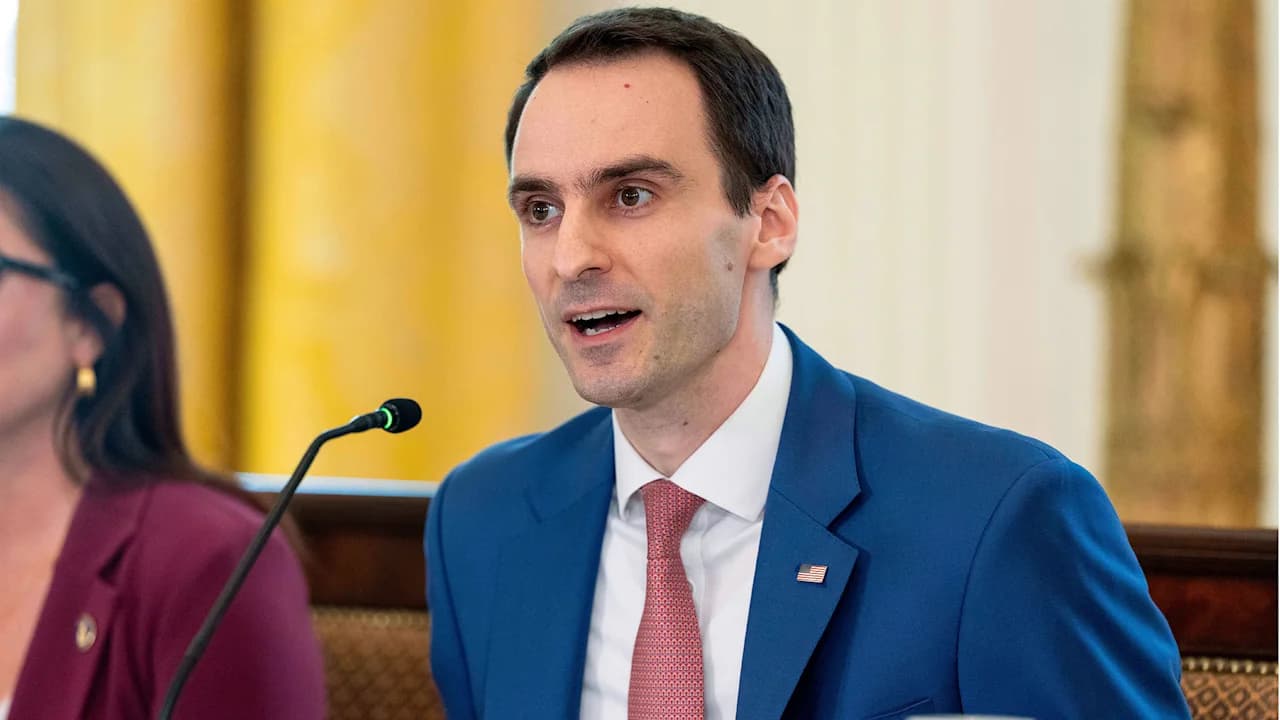
The Trump administration is escalating efforts to protect American artificial intelligence intellectual property, with White House Chief Science and Technology Adviser Michael Kratsios issuing a memo targeting what he characterizes as systematic model extraction by foreign entities, particularly China. According to the directive, the administration intends to collaborate with U.S. AI developers to detect unauthorized distillation activities—techniques where competitors extract capabilities from proprietary AI systems—and implement defensive measures and penalties against offenders.
The initiative arrives amid intensifying U.S.-China competition in AI development, a sector the White House views as critical to maintaining economic and military leadership. Stanford University's Institute for Human-Centered AI recently reported that performance gaps between top American and Chinese AI models have "effectively closed," underscoring the urgency of protecting technological advantages. Simultaneously, the House Foreign Affairs Committee advanced bipartisan legislation that would establish mechanisms to identify and sanction foreign actors engaging in model extraction, with supporters citing examples like Chinese startup DeepSeek's competitive large language model released at significantly lower cost than comparable U.S. alternatives.
The debate reflects complex tensions within the global AI ecosystem. Major U.S. developers including OpenAI and Anthropic have formally alleged that Chinese companies illicitly extracted their model capabilities, while the Chinese government contests these claims as unjustified suppression of legitimate innovation. Notably, the situation operates bidirectionally—San Francisco-based coding tool maker Cursor recently acknowledged building its latest product on an open-source model from Chinese firm Moonshot AI, illustrating the interconnected nature of modern AI development.
For Nashville-area technology companies and investors, the regulatory environment promises significant shifts. Brookings Institution expert Kyle Chan warned that distinguishing unauthorized distillation from legitimate research cooperation will prove challenging, yet coordination among U.S. AI labs and federal facilitation could strengthen intellectual property protections. As the administration implements these policies, Tennessee businesses engaged in AI development should monitor how enforcement mechanisms evolve and consider how competitive advantages in model development will be defined and protected.